Nathan Nissen’s Story – Why Serious Burn Cases Are About More Than the Day of the Explosion

When people think about a catastrophic burn case, they often picture the moment of the explosion, the ambulance ride, the emergency room, or maybe the courtroom verdict that comes later.

But serious burn cases are almost never just about one terrible day. They are about what happens afterward. They are about the surgeries, the breathing problems, the infections, the scarring, the emotional weight, the family strain, and the long process of trying to build a life after a disaster that never should have happened.

In April 2003, an anhydrous ammonia nurse tank ruptured at the River Valley Cooperative in Calamus, Iowa. Public court records say the tank split along a longitudinal weld, releasing anhydrous ammonia and causing severe external burns to Nathan Nissen and his co-worker Robert Ryan. Nissen also suffered serious injuries to his lungs and an eye. Ryan survived the initial incident but later died from his injuries.

The legal case that followed became one of the major burn-injury verdicts associated with Gregory McEwen’s burn and explosion work. Public reporting on the case states that a Clinton County jury returned a verdict of about $9.6 million, with approximately $3.8 million for Ryan’s estate and about $5.8 million for Nissen. Public reports also state that other defendants settled before trial for $2.25 million.

That verdict matters. But it is not the only reason this case is worth writing about.

What makes Nathan Nissen’s story especially powerful is that it shows what lawyers, families, and burn survivors already know: a catastrophic burn case does not end when the fire is out, when the chemical cloud dissipates, or even when the verdict comes in.

The day of the accident was only the beginning

Public reporting on the case describes Ryan and Nissen as workers filling an anhydrous ammonia tank when it ruptured. One published account says Ryan dragged Nissen to an emergency water tank and held him underwater, then insisted Nissen be airlifted first. That same report says Ryan was later posthumously awarded an Iowa Governor’s Lifesaving Award of Valor.

That part of the story is extraordinary, but it is also a reminder of how fast serious chemical-burn cases unfold.

Anhydrous ammonia is not an ordinary burn hazard. OSHA says anhydrous ammonia is an alkali that primarily affects the eyes, lungs, and skin, and that exposure can cause severe respiratory injury, deep tissue damage, and even death. CDC likewise warns that high-level ammonia exposure can burn the skin, eyes, throat, and lungs, and that very high exposure can be fatal.

That helps explain why this case involved more than visible burns. Court records say Nissen suffered severe injuries to his lungs and an eye in addition to external burns. Public reporting later described him as continuing to deal with infections, respiratory problems, and the long-term effects of the accident years after it happened.

For families dealing with a catastrophic burn injury, that is one of the hardest truths to absorb: the most obvious injuries are often only part of the damage.

Burn cases are not only about the hospital stay

Public reporting on the case says Nissen spent 87 days in the hospital after the explosion. Another account says he remembered very little about the day of the rupture or the first 65 days of his hospitalization.

That kind of timeline changes how a case should be understood.

A serious burn injury is not just an ER visit followed by healing at home. Severe burn survivors may need intensive burn-unit care, repeated wound treatment, skin grafting, respiratory care, scar management, occupational therapy, physical therapy, and long-term follow-up. The University of Iowa’s Burn Treatment Center describes burn care as a “comprehensive specialty” involving multiple disciplines, and says many patients remain connected to the center for months or years through outpatient care, scar management, therapy, and psychological support.

That description fits the larger lesson of Nathan Nissen’s story. The case was not only about what happened at the co-op that day. It was about everything that came after.

It was about the recovery process. It was about what it means to return to life after catastrophic injury. It was about the parts of a burn case that people outside the burn community often do not see.

The verdict mattered, but the recovery story matters too

Burn survivors do not just “win” or “lose” and move on. They carry the injury with them.

Sometimes that means scars, respiratory problems, and recurring infections. Sometimes it means changes to work, sleep, mobility, body image, and relationships. Sometimes it means years of emotional processing after the physical wounds begin to heal.

And sometimes, as Nathan Nissen’s story suggests, it also means choosing to help others who are still early in that journey.

Why survivor community matters after a catastrophic burn

One of the most meaningful parts of the Nathan Nissen story is the connection to the burn-survivor community.

Public reporting about Eastern Iowa’s “Burn Survivors Together” gathering described it as an event that brought together survivors, families, firefighters, nurses, doctors, and others whose lives were shaped by burn trauma. Organizers described the event as a way to connect people from different phases of recovery and healing. The St. Florian Fire and Burn Foundation, which helps support these efforts, describes its mission as empowering the burn community to come together, build strength and hope, and become a unified voice for support and prevention.

That is not a small detail. It is one of the clearest reminders that the real burden of a catastrophic burn injury is rarely limited to the initial treatment. People often need community as much as they need medicine. They need to meet others who understand the strange mix of survival, grief, fear, strength, and exhaustion that burn trauma can create.

For some people, that support helps with confidence. For others, it helps with body image, anxiety, or reintegration into work and ordinary life. For families, it can be just as important. A catastrophic burn injury affects spouses, children, parents, and caregivers too.

That broader truth is one reason serious burn cases deserve serious legal treatment. These are not ordinary injury claims.

Nathan Nissen’s story highlights several realities that families facing a catastrophic burn or explosion case should understand

First, a severe burn case may involve far more than surface burns. In this case, public records and reporting point to serious lung and eye injuries in addition to external burns. Chemical and inhalation injuries often create hidden or long-term complications that are easy to underestimate early on.

Second, long-term recovery matters just as much as the first emergency response. Public reporting says Nissen spent nearly three months in the hospital and later continued dealing with infections and respiratory issues. That is exactly why severe burn cases should be evaluated with future care, future pain, and long-term limitations in mind, not just immediate medical bills.

Third, serious burn cases often depend on technical investigation. Court records and public reporting show that the litigation involved allegations about a defective weld, inadequate inspection history, and failures to warn users about inspection and testing of anhydrous ammonia tanks.

Fourth, the emotional and community side of recovery is real. Burn-survivor events and support organizations exist for a reason. Burn recovery is not just physical. It is personal, social, and psychological.

A burn legal case is about accountability, but it is also about dignity. It is about taking the long-term consequences of catastrophic injury seriously.

Legal Help for Burn Survivors

A serious burn case is about more than the explosion itself. It is about the days in the hospital, the months of recovery, the hidden injuries, the lifelong consequences, and the support it takes to keep moving forward.

Nathan Nissen’s story is a reminder that catastrophic burn litigation is not just about one terrible event. It is about the entire road that follows.

If you or someone in your family is dealing with severe burns, chemical exposure, a gas explosion injury, or wrongful death after a catastrophic incident, contact our legal team today for a free case review.


The Real Cost of Explosion Injuries: Burns, Trauma, and Long-Term Recovery

After a catastrophic explosion, most people focus first on the immediate damage. Was anyone killed? Who was taken to the hospital? How badly was the home, building, vehicle, or worksite damaged?

Those are urgent questions, but they do not tell the full story.

The true cost of an explosion injury often becomes clear only over time. What happens in the first few minutes or hours after a blast is only the beginning. Severe burns, blast trauma, scarring, repeated surgeries, emotional injury, disability, lost wages, family stress, and future medical needs can affect a person for years. In wrongful death cases, families may carry both emotional and financial losses long after the scene has been cleared.

That is why serious explosion cases should never be viewed as simple accident claims. They are often life-changing events with long-term medical, personal, and financial consequences.

Explosion injuries are often catastrophic from the start

A major explosion can produce several different kinds of injury all at once.

Someone may suffer deep burns from fire and heat exposure. They may also be thrown by the force of the blast, struck by debris, knocked unconscious, or trapped in a collapsing structure. They may inhale smoke, chemicals, or superheated air. A child or older adult may be especially vulnerable. In some cases, a victim who survives the initial blast still faces a long and medically complex recovery.

Explosion injuries commonly include:

  • severe burns
  • smoke inhalation
  • blast trauma
  • fractures and orthopedic injuries
  • traumatic brain injuries
  • internal injuries
  • eye injuries
  • hearing loss
  • disfigurement and scarring
  • psychological trauma

Because these injuries often overlap, the long-term effect of an explosion may be much worse than outsiders realize.

Severe burns are often only the beginning

Burn injuries are among the most painful and disruptive injuries a person can experience. A serious burn may require emergency stabilization, transport to a specialized burn unit, wound care, grafting, infection prevention, intensive pain treatment, and prolonged hospitalization.

Even after the initial crisis has passed, many burn survivors face:

  • skin grafting
  • scar-management treatment
  • compression garments
  • physical therapy
  • occupational therapy
  • limited range of motion
  • repeated surgical procedures
  • cosmetic or reconstructive procedures
  • chronic pain or discomfort
  • permanent visible scarring

For children, the burden can be even more complex. As a child grows, scar tissue may tighten, shift, or require additional procedures. A serious pediatric burn may shape a child’s physical comfort, self-image, mobility, and daily life for years.

For adults, major burns may interfere with work, sleep, relationships, physical activity, and emotional stability. Recovery is often uneven and exhausting. Families frequently underestimate how long the process will last until they are living through it.

Blast trauma can change a life even without major burns

Not every explosion victim suffers extensive burns. Some suffer injuries caused primarily by the force of the blast itself.

A blast can throw a person across a room, knock them down stairs, collapse walls around them, shatter glass, or send metal, wood, or debris into the body. Even when burns are limited, the physical trauma can be severe. Victims may suffer concussions, fractures, spinal injuries, torn ligaments, internal bleeding, or long-term pain conditions.

Hearing loss and ear damage are also common in serious explosions. So are eye injuries from heat, pressure, or debris. These injuries can change how a person works, communicates, drives, reads, and functions day to day.

Because explosion cases often involve multiple simultaneous injuries, the legal case should reflect the whole picture, not just the most visible injury.

Emotional trauma is often overlooked

Some of the deepest injuries after an explosion are not immediately visible.

Survivors may struggle with fear, anxiety, depression, nightmares, panic, survivor’s guilt, sleep problems, or a lasting sense that ordinary life no longer feels safe. A person injured in a house explosion may become fearful of being indoors. A worker injured in an industrial blast may be unable to return to the same environment without psychological distress. A child injured in a fire or explosion may carry fear and anxiety for years.

Family members are affected too. Parents caring for a burned child, spouses supporting a severely injured partner, and relatives grieving a wrongful death often experience their own forms of trauma. Serious injury cases are rarely isolated to one person. They change family routines, finances, emotions, and relationships all at once.

For that reason, the real cost of an explosion injury cannot be measured only in emergency bills. It includes the broader human burden carried long after the incident.

The financial consequences can last for years

The long-term financial burden of a serious explosion injury is often overwhelming.

Medical bills may begin with emergency treatment, hospitalization, surgery, medications, and rehabilitation. But those are often only the first wave of costs. Future treatment, reconstructive procedures, therapy, scar care, assistive devices, counseling, travel for specialty care, and long-term support can add significantly to the burden.

Lost income is another major issue. Some injured people are out of work for months. Others cannot return to their previous job at all. A person whose hands, face, joints, lungs, hearing, or mobility were affected may be permanently limited in what work they can perform. In wrongful death cases, families may lose years of financial support in addition to the emotional loss.

Property damage, relocation costs, childcare disruptions, transportation issues, and family caregiving burdens can also add to the overall impact.

A serious explosion case must account for these consequences realistically. Otherwise, the full cost of the event is never truly recognized.

Wrongful death cases carry a different kind of loss

When an explosion kills a loved one, the loss cannot be measured only in financial terms. Families lose a parent, spouse, child, sibling, or grandparent. They lose companionship, guidance, shared plans, daily routines, emotional support, and the future they expected to have together.

At the same time, surviving family members often face immediate practical burdens: funeral costs, household instability, lost earnings, medical bills, and the painful task of trying to piece together how the explosion happened.

Wrongful death cases are emotionally different from injury cases, but they still require a serious investigation into preventability, liability, and the full consequences of the loss. Families deserve clear answers and a legal case that reflects the magnitude of what was taken from them.

Why explosion cases are not “just insurance cases”

After a catastrophic blast, families are often contacted quickly by insurers, investigators, or other representatives. It may be tempting to think of the matter as a straightforward property-loss or injury claim.

But serious explosion cases are usually much more than that.

Patient recovering in hospital from an explosion injury

They may involve fuel-system failures, utility issues, contractor negligence, unsafe repairs, product defects, code violations, prior warning signs, inspection failures, or dangerous property conditions. The legal case may be technically demanding and may require a deeper review of how the event occurred and whether it could have been prevented.

Most importantly, the damages are often far greater than people realize in the early days after the event. A case that looks manageable in the first week may look very different once long-term surgeries, future scarring, disability, work loss, or permanent trauma become clearer.

Why the human story matters

The strongest explosion cases are not built only around technical evidence. They are also built around the real story of what the injured person and family have endured.

That includes the hospital experience, the surgeries, the physical pain, the fear, the rehabilitation, the family disruption, the future limitations, and the permanent ways life has changed.

Explosion cases are not abstract. They involve real people facing overwhelming circumstances. When families are looking for a lawyer after a catastrophic blast, they are looking for someone who understands that the case is not just about the event itself. It is about everything that comes after.

Final thoughts

The real cost of an explosion injury is not limited to the fire, the blast, or the first hospital bill. It includes the physical injuries, the permanent scarring, the emotional burden, the future treatment, the lost work, the changed family life, and, in some cases, the lifelong grief that follows a wrongful death.

That is why serious explosion cases deserve serious attention. A full legal review should consider not only how the explosion happened, but also the full long-term cost of what the injured person or family will live with afterward.

If you or someone in your family has been affected by a serious explosion, it is important to understand that the case may be much larger and more complex than it first appears. Contact our legal team for a free case review.

How Explosion Injury Cases Are Investigated After a Catastrophic Blast

When a serious explosion happens, families are usually thrown into crisis immediately. Someone may be in a burn unit. A loved one may have suffered blast injuries, fractures, smoke inhalation, or catastrophic burns. In the worst cases, families are also dealing with wrongful death. At the same time, they are trying to understand what caused the explosion, whether it could have been prevented, and who may be legally responsible.

That is one reason explosion cases are different from many other injury claims. A serious explosion is not just a medical emergency. It is also an event that may require fast, careful investigation before important evidence is lost or destroyed.

People often assume that an explosion case is straightforward because the damage is so obvious. A building is destroyed. A fire has occurred. Multiple people may have been injured. But legally and technically, explosion cases are often far more complicated than they appear at first glance. A catastrophic blast may involve propane, natural gas, flammable vapors, defective equipment, unsafe repairs, poor maintenance, faulty warnings, code violations, industrial failures, or a chain of preventable safety breakdowns involving multiple parties.

The explosion itself is only part of the story

In many cases, the explosion is the final event, not the beginning of the danger.

A gas line may have been leaking for some time before the blast. A regulator may have failed. A connector may have deteriorated. A property owner may have ignored warning signs. A contractor may have installed or repaired something improperly. A tank, hose, or fitting may have been defective. A business may have failed to respond appropriately to earlier complaints or signs of a fuel-related problem.

By the time the explosion occurs, the dangerous condition may have existed long enough that someone should have identified it and corrected it.

That is why explosion cases are rarely just about what happened in the moment of ignition. They are also about what happened in the hours, days, weeks, or even months leading up to the blast.

Why early investigation matters

After an explosion, the scene can change quickly.

A damaged structure may be demolished. Burned or broken components may be removed. A utility or service provider may replace key parts of the system. Cleanup crews may clear away debris. Witnesses may scatter. Memories may fade. In some cases, the parties potentially responsible for the dangerous condition may begin developing their own explanation immediately.

That makes early investigation especially important.

A serious explosion case may require preservation of physical evidence, photographs, witness accounts, incident reports, fire-scene information, inspection records, maintenance documents, product information, service history, and any communications that show prior notice of the danger. In some cases, expert review is needed to understand fuel-system behavior, ignition pathways, pressure issues, equipment failures, code compliance, or scene reconstruction.

The goal is to determine not only how the explosion happened, but whether it could have been prevented and who had responsibility for preventing it.

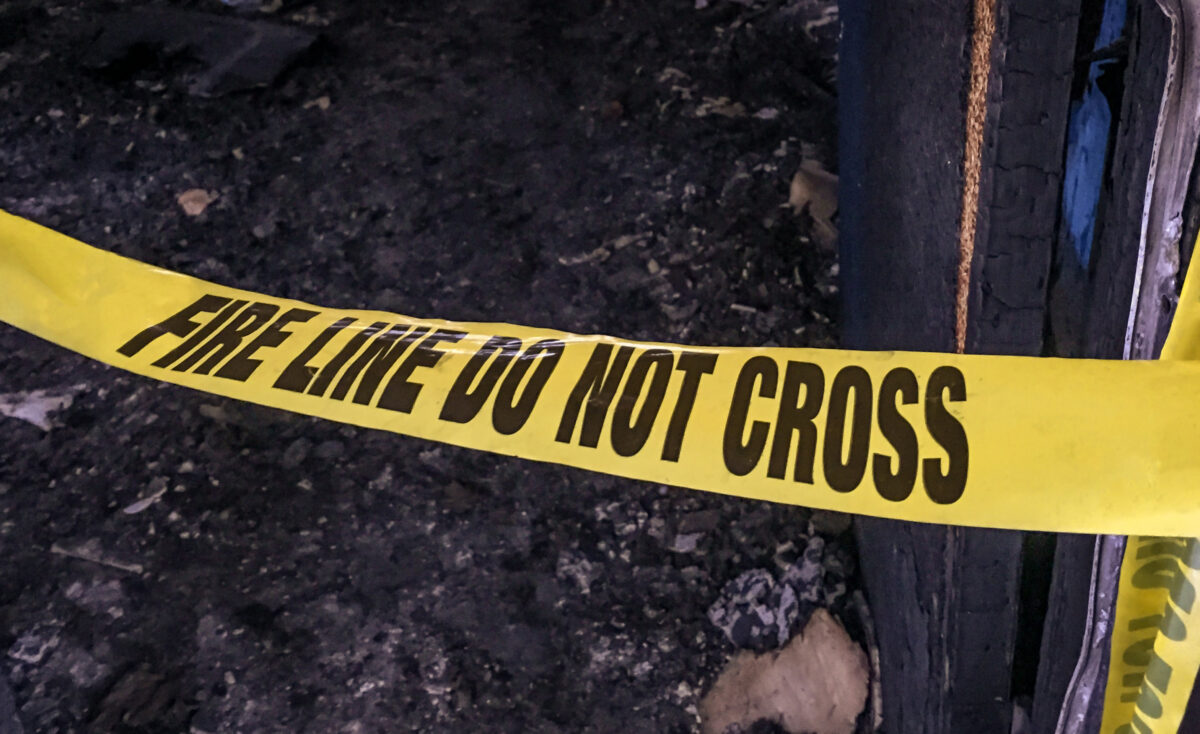
Fire and explosion investigation tape

Common causes of explosion injury cases

Explosion injury litigation can arise from many different scenarios. Some of the most common include:

Propane leaks and propane-system failures

Propane cases often involve leaking lines, corroded fittings, unsafe regulator placement, missed leak warnings, tank issues, improper installation, or inadequate maintenance. Gas may accumulate inside a structure and ignite when a furnace, stove, pilot light, electrical switch, or other source creates a spark.

Natural gas explosions

Natural gas cases may involve distribution lines, service lines, appliance connectors, utility work, contractor damage, crossbore issues, pressure problems, or failures to respond appropriately after a leak report. In some cases, occupants report smelling gas before the explosion but do not receive a timely or adequate response.

Industrial explosions

Industrial and workplace explosions may involve pressure vessels, chemical systems, welding failures, hot-work issues, combustible dust, process failures, equipment defects, or unsafe operating conditions. These cases can be especially complex because they may involve multiple contractors, manufacturers, employers, site operators, and maintenance providers.

Vehicle and transportation explosions

Some explosion cases arise from fuel-system failures, post-collision fires, defective vehicle components, commercial vehicle incidents, or flammable cargo events. These matters may require review of product design, crash evidence, maintenance history, and transportation-related safety issues.

Residential fires and vapor explosions

Some cases involve flammable vapors, improper storage of dangerous materials, defective appliances, or hazardous building conditions. What appears to be a random household disaster may actually involve a clear pattern of negligence or product failure.

Who may be responsible in an explosion case?

One of the most important realities in explosion litigation is that responsibility often extends beyond one person or one company.

Depending on the facts, a case may involve:

  • a propane supplier or gas provider
  • a property owner or landlord
  • a contractor or subcontractor
  • an installer or repair company
  • a utility
  • a tank, valve, hose, connector, or appliance manufacturer
  • a maintenance company
  • a business operating dangerous equipment
  • another party that failed to inspect, warn, repair, maintain, or act reasonably

This is one reason serious explosion cases should not be evaluated too narrowly at the outset. What seems like a simple gas-leak case may actually involve equipment design, service history, maintenance failures, warning failures, and unsafe property conditions all at once.

A strong case often depends on identifying every responsible party and understanding how their actions, or failures to act, contributed to the explosion.

What evidence may matter in an explosion case?

Although every case is different, evidence in a serious explosion matter may include:

  • damaged system components
  • valves, fittings, regulators, connectors, or appliances
  • service and maintenance records
  • inspection history
  • prior complaints or reports of gas odor or unsafe conditions
  • incident reports and fire investigation materials
  • photographs and video from the scene
  • witness accounts
  • utility or supplier records
  • product manuals and warnings
  • engineering, design, or installation documents
  • medical records showing the nature and extent of injuries

In some cases, the medical side of the case is as complex as the liability side. Severe burns may require evidence of skin grafting, scar management, future surgeries, rehabilitation, infection risk, permanent disfigurement, physical limitation, psychological trauma, and long-term care. Wrongful death cases require a different but equally careful evaluation of the loss suffered by surviving family members.

Explosion injuries often involve more than burns

Many people hear the word “explosion” and think only of burns. But blast events often cause multiple forms of trauma at the same time.

Victims may suffer:

  • severe burns
  • smoke inhalation
  • concussions or traumatic brain injuries
  • fractures
  • eye injuries
  • internal injuries
  • hearing damage
  • lacerations and crush injuries
  • emotional trauma
  • permanent scarring or disfigurement

That is why a serious explosion case should never be treated as a narrow claim built around only one injury category. A full case evaluation should account for everything the injured person and the family are likely to face in the future.

What families are usually asking after an explosion

Families dealing with a catastrophic explosion are usually trying to answer a few urgent questions:

  • What caused this?
  • Could it have been prevented?
  • Who should be held responsible?
  • What evidence needs to be preserved?
  • How do we account for all the future medical and financial consequences?
  • How do we move forward when the injured person’s life has changed permanently?

A strong explosion case begins by taking those questions seriously.

Why these cases require a different kind of legal approach

Explosion cases are often technical, document-heavy, and emotionally intense. They may involve destroyed property, multiple injured people, life-altering burns, and conflicting explanations about what went wrong. They may require coordination with experts, careful preservation of evidence, and a full damages presentation that reflects the seriousness of catastrophic injury.

That kind of case should not be approached as routine personal injury litigation.

A firm handling an explosion matter should be prepared to understand the event technically, present the human story honestly, and build the case around the full long-term consequences of the blast.

Contacting an Explosion Lawyer

When an explosion causes serious injury or death, the legal case is about more than one terrible moment. It is about the dangerous condition that led to the blast, the people or companies that should have prevented it, and the long-term burden the injured person or family will carry afterward.

Propane explosions, natural gas blasts, industrial fire events, tank failures, and other catastrophic explosions deserve serious investigation. In many cases, the answers are not immediately obvious. But with the right review, it may be possible to identify what went wrong and who should be held accountable.

On catastrophic burn and explosion matters, Gregory McEwen works jointly with explosion and burn attorney Eric Hageman in trial collaboration. Eric Hageman is the Managing Partner of Pritzker Hageman. He leads the Pritzker Hageman burn injury legal team.

If you or someone in your family was seriously injured in an explosion, early review of the facts can make an important difference. Contact our legal team for a free case review.