
When people think about a catastrophic burn case, they often picture the moment of the explosion, the ambulance ride, the emergency room, or maybe the courtroom verdict that comes later.
But serious burn cases are almost never just about one terrible day. They are about what happens afterward. They are about the surgeries, the breathing problems, the infections, the scarring, the emotional weight, the family strain, and the long process of trying to build a life after a disaster that never should have happened.
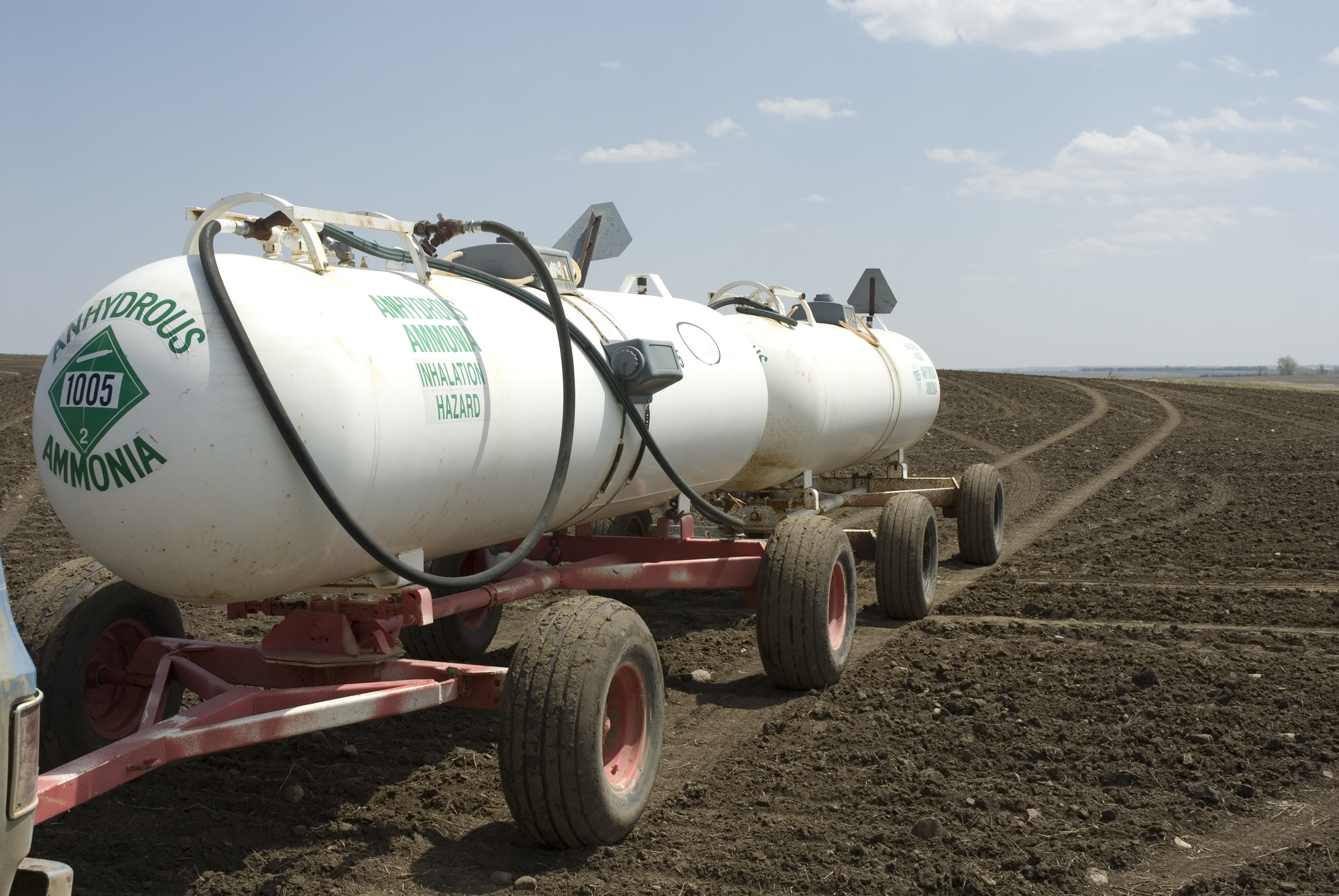
In April 2003, an anhydrous ammonia nurse tank ruptured at the River Valley Cooperative in Calamus, Iowa. Public court records say the tank split along a longitudinal weld, releasing anhydrous ammonia and causing severe external burns to Nathan Nissen and his co-worker Robert Ryan. Nissen also suffered serious injuries to his lungs and an eye. Ryan survived the initial incident but later died from his injuries.
The legal case that followed became one of the major burn-injury verdicts associated with Gregory McEwen’s burn and explosion work. Public reporting on the case states that a Clinton County jury returned a verdict of about $9.6 million, with approximately $3.8 million for Ryan’s estate and about $5.8 million for Nissen. Public reports also state that other defendants settled before trial for $2.25 million.
That verdict matters. But it is not the only reason this case is worth writing about.
What makes Nathan Nissen’s story especially powerful is that it shows what lawyers, families, and burn survivors already know: a catastrophic burn case does not end when the fire is out, when the chemical cloud dissipates, or even when the verdict comes in.
The day of the accident was only the beginning
Public reporting on the case describes Ryan and Nissen as workers filling an anhydrous ammonia tank when it ruptured. One published account says Ryan dragged Nissen to an emergency water tank and held him underwater, then insisted Nissen be airlifted first. That same report says Ryan was later posthumously awarded an Iowa Governor’s Lifesaving Award of Valor.
That part of the story is extraordinary, but it is also a reminder of how fast serious chemical-burn cases unfold.
Anhydrous ammonia is not an ordinary burn hazard. OSHA says anhydrous ammonia is an alkali that primarily affects the eyes, lungs, and skin, and that exposure can cause severe respiratory injury, deep tissue damage, and even death. CDC likewise warns that high-level ammonia exposure can burn the skin, eyes, throat, and lungs, and that very high exposure can be fatal.
That helps explain why this case involved more than visible burns. Court records say Nissen suffered severe injuries to his lungs and an eye in addition to external burns. Public reporting later described him as continuing to deal with infections, respiratory problems, and the long-term effects of the accident years after it happened.
For families dealing with a catastrophic burn injury, that is one of the hardest truths to absorb: the most obvious injuries are often only part of the damage.
Burn cases are not only about the hospital stay
Public reporting on the case says Nissen spent 87 days in the hospital after the explosion. Another account says he remembered very little about the day of the rupture or the first 65 days of his hospitalization.
That kind of timeline changes how a case should be understood.
A serious burn injury is not just an ER visit followed by healing at home. Severe burn survivors may need intensive burn-unit care, repeated wound treatment, skin grafting, respiratory care, scar management, occupational therapy, physical therapy, and long-term follow-up. The University of Iowa’s Burn Treatment Center describes burn care as a “comprehensive specialty” involving multiple disciplines, and says many patients remain connected to the center for months or years through outpatient care, scar management, therapy, and psychological support.
That description fits the larger lesson of Nathan Nissen’s story. The case was not only about what happened at the co-op that day. It was about everything that came after.
It was about the recovery process. It was about what it means to return to life after catastrophic injury. It was about the parts of a burn case that people outside the burn community often do not see.
The verdict mattered, but the recovery story matters too
Burn survivors do not just “win” or “lose” and move on. They carry the injury with them.
Sometimes that means scars, respiratory problems, and recurring infections. Sometimes it means changes to work, sleep, mobility, body image, and relationships. Sometimes it means years of emotional processing after the physical wounds begin to heal.
And sometimes, as Nathan Nissen’s story suggests, it also means choosing to help others who are still early in that journey.
Why survivor community matters after a catastrophic burn
One of the most meaningful parts of the Nathan Nissen story is the connection to the burn-survivor community.
Public reporting about Eastern Iowa’s “Burn Survivors Together” gathering described it as an event that brought together survivors, families, firefighters, nurses, doctors, and others whose lives were shaped by burn trauma. Organizers described the event as a way to connect people from different phases of recovery and healing. The St. Florian Fire and Burn Foundation, which helps support these efforts, describes its mission as empowering the burn community to come together, build strength and hope, and become a unified voice for support and prevention.
That is not a small detail. It is one of the clearest reminders that the real burden of a catastrophic burn injury is rarely limited to the initial treatment. People often need community as much as they need medicine. They need to meet others who understand the strange mix of survival, grief, fear, strength, and exhaustion that burn trauma can create.
For some people, that support helps with confidence. For others, it helps with body image, anxiety, or reintegration into work and ordinary life. For families, it can be just as important. A catastrophic burn injury affects spouses, children, parents, and caregivers too.
That broader truth is one reason serious burn cases deserve serious legal treatment. These are not ordinary injury claims.
Nathan Nissen’s story highlights several realities that families facing a catastrophic burn or explosion case should understand
First, a severe burn case may involve far more than surface burns. In this case, public records and reporting point to serious lung and eye injuries in addition to external burns. Chemical and inhalation injuries often create hidden or long-term complications that are easy to underestimate early on.
Second, long-term recovery matters just as much as the first emergency response. Public reporting says Nissen spent nearly three months in the hospital and later continued dealing with infections and respiratory issues. That is exactly why severe burn cases should be evaluated with future care, future pain, and long-term limitations in mind, not just immediate medical bills.
Third, serious burn cases often depend on technical investigation. Court records and public reporting show that the litigation involved allegations about a defective weld, inadequate inspection history, and failures to warn users about inspection and testing of anhydrous ammonia tanks.
Fourth, the emotional and community side of recovery is real. Burn-survivor events and support organizations exist for a reason. Burn recovery is not just physical. It is personal, social, and psychological.
A burn legal case is about accountability, but it is also about dignity. It is about taking the long-term consequences of catastrophic injury seriously.
Legal Help for Burn Survivors
A serious burn case is about more than the explosion itself. It is about the days in the hospital, the months of recovery, the hidden injuries, the lifelong consequences, and the support it takes to keep moving forward.
Nathan Nissen’s story is a reminder that catastrophic burn litigation is not just about one terrible event. It is about the entire road that follows.
If you or someone in your family is dealing with severe burns, chemical exposure, a gas explosion injury, or wrongful death after a catastrophic incident, contact our legal team today for a free case review.