
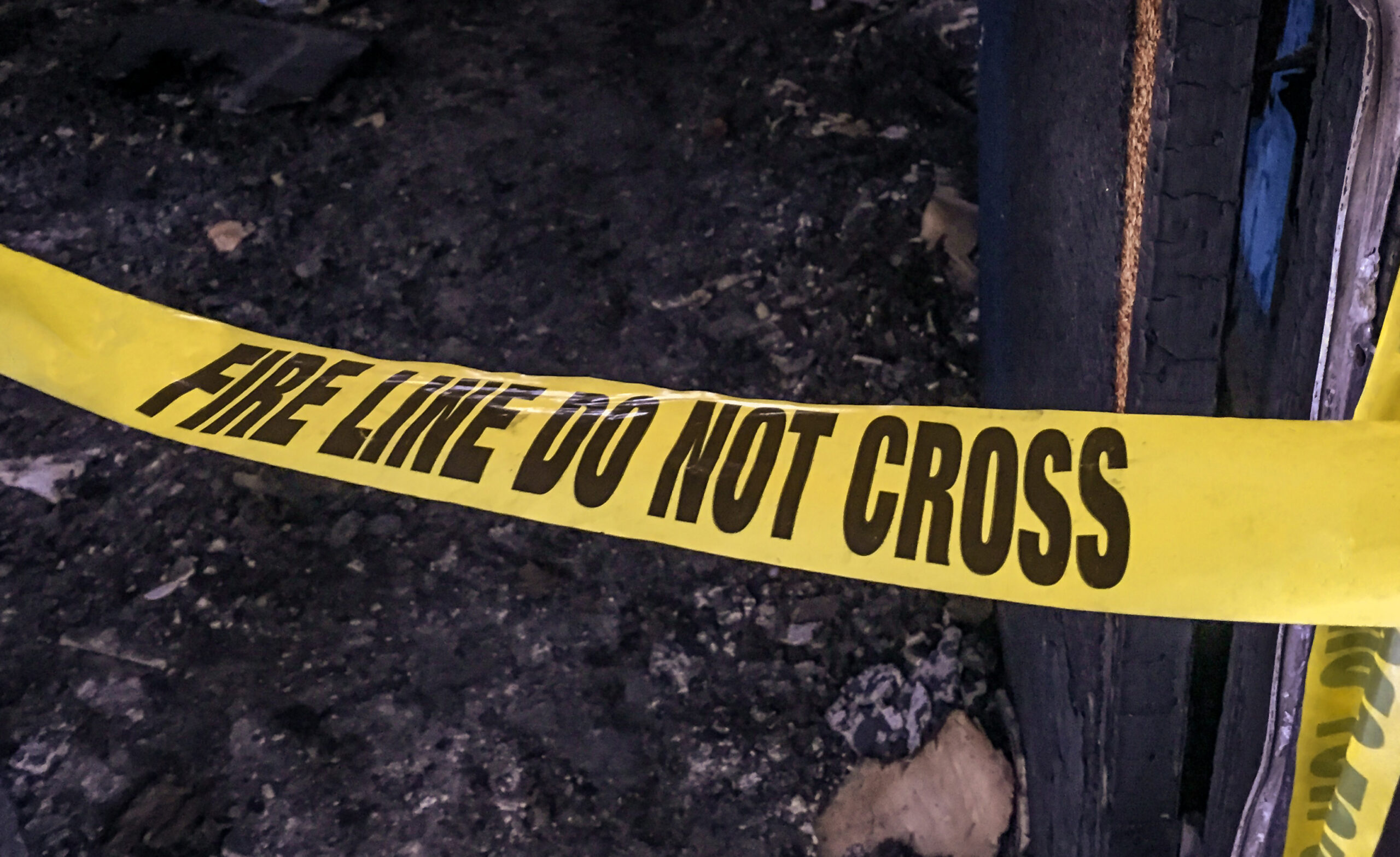
When a serious explosion happens, families are usually thrown into crisis immediately. Someone may be in a burn unit. A loved one may have suffered blast injuries, fractures, smoke inhalation, or catastrophic burns. In the worst cases, families are also dealing with wrongful death. At the same time, they are trying to understand what caused the explosion, whether it could have been prevented, and who may be legally responsible.
That is one reason explosion cases are different from many other injury claims. A serious explosion is not just a medical emergency. It is also an event that may require fast, careful investigation before important evidence is lost or destroyed.
People often assume that an explosion case is straightforward because the damage is so obvious. A building is destroyed. A fire has occurred. Multiple people may have been injured. But legally and technically, explosion cases are often far more complicated than they appear at first glance. A catastrophic blast may involve propane, natural gas, flammable vapors, defective equipment, unsafe repairs, poor maintenance, faulty warnings, code violations, industrial failures, or a chain of preventable safety breakdowns involving multiple parties.
The explosion itself is only part of the story
In many cases, the explosion is the final event, not the beginning of the danger.
A gas line may have been leaking for some time before the blast. A regulator may have failed. A connector may have deteriorated. A property owner may have ignored warning signs. A contractor may have installed or repaired something improperly. A tank, hose, or fitting may have been defective. A business may have failed to respond appropriately to earlier complaints or signs of a fuel-related problem.
By the time the explosion occurs, the dangerous condition may have existed long enough that someone should have identified it and corrected it.
That is why explosion cases are rarely just about what happened in the moment of ignition. They are also about what happened in the hours, days, weeks, or even months leading up to the blast.
Why early investigation matters
After an explosion, the scene can change quickly.
A damaged structure may be demolished. Burned or broken components may be removed. A utility or service provider may replace key parts of the system. Cleanup crews may clear away debris. Witnesses may scatter. Memories may fade. In some cases, the parties potentially responsible for the dangerous condition may begin developing their own explanation immediately.
That makes early investigation especially important.
A serious explosion case may require preservation of physical evidence, photographs, witness accounts, incident reports, fire-scene information, inspection records, maintenance documents, product information, service history, and any communications that show prior notice of the danger. In some cases, expert review is needed to understand fuel-system behavior, ignition pathways, pressure issues, equipment failures, code compliance, or scene reconstruction.
The goal is to determine not only how the explosion happened, but whether it could have been prevented and who had responsibility for preventing it.
Common causes of explosion injury cases
Explosion injury litigation can arise from many different scenarios. Some of the most common include:
Propane leaks and propane-system failures
Propane cases often involve leaking lines, corroded fittings, unsafe regulator placement, missed leak warnings, tank issues, improper installation, or inadequate maintenance. Gas may accumulate inside a structure and ignite when a furnace, stove, pilot light, electrical switch, or other source creates a spark.
Natural gas explosions
Natural gas cases may involve distribution lines, service lines, appliance connectors, utility work, contractor damage, crossbore issues, pressure problems, or failures to respond appropriately after a leak report. In some cases, occupants report smelling gas before the explosion but do not receive a timely or adequate response.
Industrial explosions
Industrial and workplace explosions may involve pressure vessels, chemical systems, welding failures, hot-work issues, combustible dust, process failures, equipment defects, or unsafe operating conditions. These cases can be especially complex because they may involve multiple contractors, manufacturers, employers, site operators, and maintenance providers.
Vehicle and transportation explosions
Some explosion cases arise from fuel-system failures, post-collision fires, defective vehicle components, commercial vehicle incidents, or flammable cargo events. These matters may require review of product design, crash evidence, maintenance history, and transportation-related safety issues.
Residential fires and vapor explosions
Some cases involve flammable vapors, improper storage of dangerous materials, defective appliances, or hazardous building conditions. What appears to be a random household disaster may actually involve a clear pattern of negligence or product failure.
Who may be responsible in an explosion case?
One of the most important realities in explosion litigation is that responsibility often extends beyond one person or one company.
Depending on the facts, a case may involve:
- a propane supplier or gas provider
- a property owner or landlord
- a contractor or subcontractor
- an installer or repair company
- a utility
- a tank, valve, hose, connector, or appliance manufacturer
- a maintenance company
- a business operating dangerous equipment
- another party that failed to inspect, warn, repair, maintain, or act reasonably
This is one reason serious explosion cases should not be evaluated too narrowly at the outset. What seems like a simple gas-leak case may actually involve equipment design, service history, maintenance failures, warning failures, and unsafe property conditions all at once.
A strong case often depends on identifying every responsible party and understanding how their actions, or failures to act, contributed to the explosion.
What evidence may matter in an explosion case?
Although every case is different, evidence in a serious explosion matter may include:
- damaged system components
- valves, fittings, regulators, connectors, or appliances
- service and maintenance records
- inspection history
- prior complaints or reports of gas odor or unsafe conditions
- incident reports and fire investigation materials
- photographs and video from the scene
- witness accounts
- utility or supplier records
- product manuals and warnings
- engineering, design, or installation documents
- medical records showing the nature and extent of injuries
In some cases, the medical side of the case is as complex as the liability side. Severe burns may require evidence of skin grafting, scar management, future surgeries, rehabilitation, infection risk, permanent disfigurement, physical limitation, psychological trauma, and long-term care. Wrongful death cases require a different but equally careful evaluation of the loss suffered by surviving family members.
Explosion injuries often involve more than burns
Many people hear the word “explosion” and think only of burns. But blast events often cause multiple forms of trauma at the same time.
Victims may suffer:
- severe burns
- smoke inhalation
- concussions or traumatic brain injuries
- fractures
- eye injuries
- internal injuries
- hearing damage
- lacerations and crush injuries
- emotional trauma
- permanent scarring or disfigurement
That is why a serious explosion case should never be treated as a narrow claim built around only one injury category. A full case evaluation should account for everything the injured person and the family are likely to face in the future.
What families are usually asking after an explosion
Families dealing with a catastrophic explosion are usually trying to answer a few urgent questions:
- What caused this?
- Could it have been prevented?
- Who should be held responsible?
- What evidence needs to be preserved?
- How do we account for all the future medical and financial consequences?
- How do we move forward when the injured person’s life has changed permanently?
A strong explosion case begins by taking those questions seriously.
Why these cases require a different kind of legal approach
Explosion cases are often technical, document-heavy, and emotionally intense. They may involve destroyed property, multiple injured people, life-altering burns, and conflicting explanations about what went wrong. They may require coordination with experts, careful preservation of evidence, and a full damages presentation that reflects the seriousness of catastrophic injury.
That kind of case should not be approached as routine personal injury litigation.
A firm handling an explosion matter should be prepared to understand the event technically, present the human story honestly, and build the case around the full long-term consequences of the blast.
Contacting an Explosion Lawyer
When an explosion causes serious injury or death, the legal case is about more than one terrible moment. It is about the dangerous condition that led to the blast, the people or companies that should have prevented it, and the long-term burden the injured person or family will carry afterward.
Propane explosions, natural gas blasts, industrial fire events, tank failures, and other catastrophic explosions deserve serious investigation. In many cases, the answers are not immediately obvious. But with the right review, it may be possible to identify what went wrong and who should be held accountable.
On catastrophic burn and explosion matters, Gregory McEwen works jointly with explosion and burn attorney Eric Hageman in trial collaboration. Eric Hageman is the Managing Partner of Pritzker Hageman. He leads the Pritzker Hageman burn injury legal team.
If you or someone in your family was seriously injured in an explosion, early review of the facts can make an important difference. Contact our legal team for a free case review.