Minnesota Birth Injury Lawyers

Compassionate Guidance. Relentless Advocacy. | McEwen Law Firm

A birth injury can change your child’s life — and yours — forever. If you suspect medical negligence during pregnancy, labor, or delivery caused your baby’s injury, McEwen Law Firm is here to help. We offer the knowledge, experience, and unwavering support families need to pursue justice and secure the resources their child deserves.

Why Choose McEwen Law Firm for Your Birth Injury Case?

  • Deep Experience with Complex Birth Injury Claims – Our attorneys understand both medical malpractice law and the unique standards for birth injury cases in Minnesota.
  • Proven Track Record of Success – We’ve secured millions for families across Minnesota in high-stakes personal injury and medical negligence cases.
  • You Don’t Pay Unless We Win – We handle birth injury cases on a contingency fee basis — you pay nothing unless we recover compensation for you.
  • Caring, Personal Legal Support – We’re not just lawyers — we’re advocates who truly care about your family’s future.

Common Types of Birth Injuries We Handle

  • Cerebral Palsy
  • Brachial Plexus Injuries (Erb’s Palsy)
  • Brain damage due to oxygen deprivation (HIE)
  • Spinal cord injuries
  • Bone fractures or nerve damage
  • Maternal injuries during delivery

How Do Birth Injuries Happen?

Birth injuries can occur when doctors, nurses, or medical staff fail to follow standard medical procedures. Common causes include:

  • Failure to monitor fetal distress
  • Improper use of forceps or vacuum extractors
  • Delayed C-section or failure to order one
  • Medication errors
  • Failure to detect umbilical cord problems
  • Negligent prenatal care

Your Child Deserves a Secure Future

A birth injury often means lifelong challenges — physically, emotionally, and financially. You may be entitled to compensation for:

  • Ongoing medical care and therapy
  • Adaptive equipment and in-home care
  • Pain and suffering
  • Loss of future earnings
  • Emotional distress
  • Special education needs
  • And more

At McEwen Law Firm, we fight to ensure your child has the resources they need — for life.

Minnesota Car Accident Attorneys

Trusted. Experienced. Proven. | McEwen Law Firm

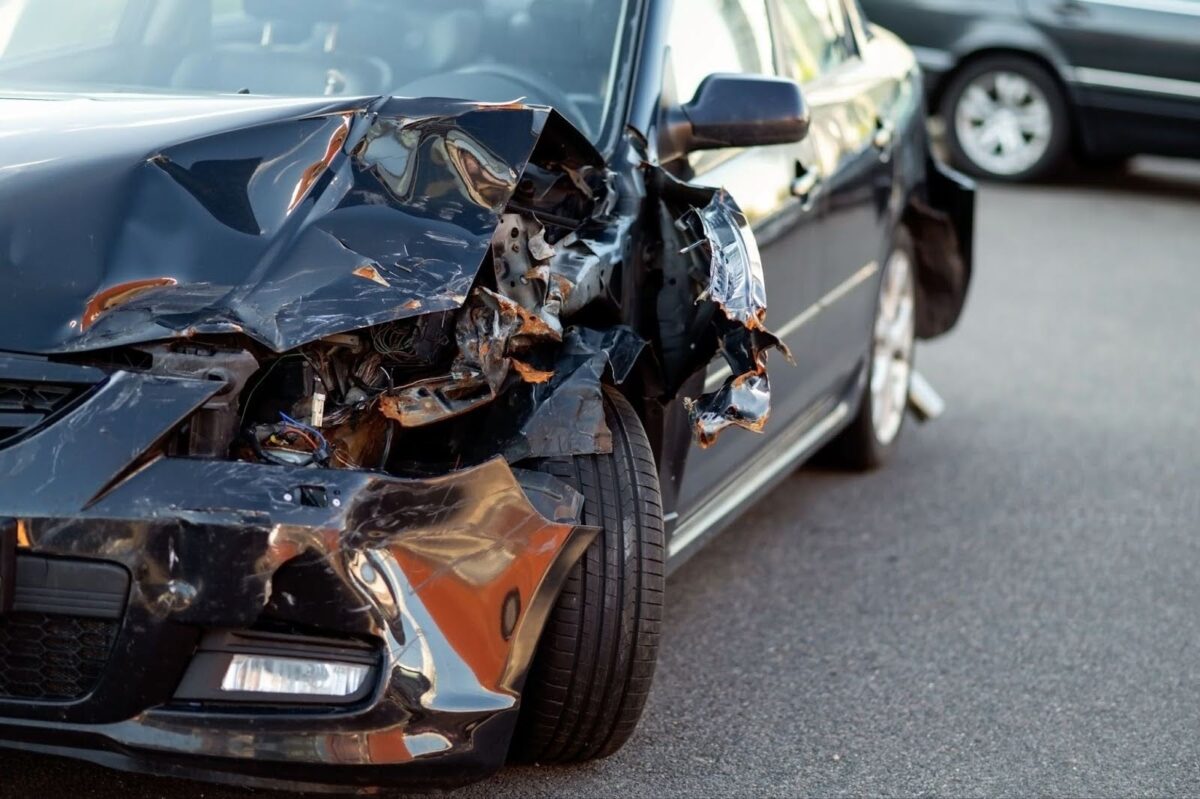
If you’ve been injured in a car accident in Minnesota, the experienced team at McEwen Law Firm is here to help you get the full compensation you deserve. We understand the physical, emotional, and financial toll a crash can take — and we’re ready to fight for your future.

Why McEwen Law Firm?

  • Over 20 Years of Experience with Minnesota Car Accident Law – We understand the ins and outs of Minnesota’s no-fault system, and we know when and how to pursue claims outside of it.
  • Results-Driven, Client-Focused – We’ve recovered millions for injured clients across Minnesota. At McEwen Law Firm, you’re more than a case — you’re family.
  • No Win, No Fee Guarantee – You pay nothing unless we win your case. Guaranteed.
  • Personal Attention. Aggressive Representation. – Our attorneys work directly with you, providing compassionate guidance while aggressively advocating on your behalf.

What to Do After a Car Accident in Minnesota

  1. Get medical attention – Prioritize your health, even if injuries seem minor.
  2. Call the police – A formal accident report helps protect your claim.
  3. Take photos and gather evidence – Document damage, injuries, and insurance info.
  4. Contact McEwen Law Firm – Before speaking with insurance adjusters, call us at 651-224-3833 for a free consultation.

You May Be Entitled To Compensation For:

  • Medical bills (past, current, and future)
  • Lost income or reduced earning capacity
  • Pain and suffering
  • Emotional trauma
  • Vehicle and property damage
  • Funeral costs or wrongful death damages

Understanding Minnesota’s No-Fault System

Minnesota is a no-fault state, meaning your own auto insurance covers your basic medical and wage loss expenses — regardless of fault. But if your injuries are serious, permanent, or involve significant medical costs, you may be eligible to pursue a personal injury claim against the at-fault driver.

McEwen Law Firm will review your case for free and help determine if you qualify to step outside the no-fault system to seek additional compensation.

Time is Critical – Don’t Wait

Minnesota law limits the time you have to file a car accident claim:

  • No-fault benefits: Typically within 6 months
  • Personal injury lawsuits: Within 6 years

Every case is unique — don’t risk missing your window to recover damages. Call us now for personalized legal advice.

Electrical Burn Accidents

What are Electrical Burns?

Electrical burn injuries are among the most dangerous and medically complex burn cases. Unlike many other burns, an electrical injury may damage the body both on the surface and deep below the skin. What looks like a small wound at the point of contact can be associated with extensive damage to muscles, nerves, blood vessels, internal organs, or the heart.

McEwen Law Firm reviews serious electrical burn and electrocution injury cases nationwide. These cases often arise in construction accidents, power line incidents, industrial settings, unsafe worksites, defective equipment cases, and dangerous property conditions. When an electrical injury is caused by negligence, the injured person and family may have the right to pursue compensation.

Electrical burn cases are often life-changing. Victims may suffer severe tissue damage, cardiac complications, nerve injury, muscle destruction, fractures caused by violent muscle contractions, falls from elevation after a shock, permanent scarring, amputation, or death. Because the injuries can be so serious, these cases often require immediate investigation and careful documentation of both the accident and the long-term medical consequences.

Why electrical burns are so serious

Electricity injures the body in ways that are often very different from a flame or scald burn. When current passes through the body, it can create intense heat, disrupt the heart’s rhythm, damage deep tissue, and affect multiple organ systems. In serious cases, an electrical injury may cause both visible burns and hidden internal damage.

The severity of the injury often depends on several factors, including:

  • the voltage involved
  • the path the current traveled through the body
  • the length of exposure
  • whether the current passed through the heart, brain, or other vital organs
  • whether the victim was thrown, fell, or suffered secondary trauma

A person may survive the initial shock and still face a long recovery involving hospitalization, surgeries, rehabilitation, chronic pain, weakness, neuropathy, disfigurement, and emotional trauma.

How electrical burn accidents happen

Electrical burn accidents happen in many different settings. Some occur on job sites when workers come into contact with live power lines, energized equipment, exposed wiring, switchgear, transformers, or unsafe industrial systems. Others happen in homes, apartment buildings, businesses, farms, or public places because of defective products, unsafe maintenance, code violations, or dangerous property conditions.

Common causes of electrical burn accidents include:

  • contact with overhead power lines
  • arc flash or arc blast events
  • exposed or improperly insulated wiring
  • unsafe jobsite conditions
  • malfunctioning tools or equipment
  • defective electrical products or appliances
  • negligent maintenance of electrical systems
  • construction equipment contacting energized lines
  • unsafe ladder placement near power lines
  • utility-related failures
  • faulty grounding or improper lockout/tagout procedures

In many cases, the injured person did not do anything reckless. The accident happened because a company, contractor, utility, property owner, manufacturer, or another party failed to make the environment reasonably safe.

Types of electrical burn injuries

Electrical burn cases can involve several different injury mechanisms.

True electrical burns

A true electrical burn happens when current passes from the electrical source through the body and into the ground. These injuries often leave entry and exit wounds, but the most serious damage may be inside the body rather than on the skin.

Arc burns

Arc burns happen when electricity jumps, or “arcs,” from a source to a person or nearby object. These injuries are especially common in high-voltage settings and can cause devastating surface burns, deep tissue damage, ignition of clothing, and blast-related trauma.

Thermal burns from electrical events

Electrical incidents can also cause thermal burns when sparks, arcs, or superheated materials ignite clothing, tools, nearby surfaces, or flammable materials. In those cases, the injured person may suffer both an electrical injury and a flame-burn injury.

Secondary trauma

Many serious electrical accidents also cause secondary injuries. A person may fall from a ladder, scaffold, roof, bucket truck, or elevated platform after a shock. Violent muscle contractions may fracture bones or dislocate joints. Blast pressure from an arc flash may throw a worker or damage hearing and vision.

Common complications after an electrical burn

Electrical injuries often involve more than a burn wound. Depending on the circumstances, a victim may suffer:

  • severe skin and tissue burns
  • nerve damage
  • muscle destruction
  • cardiac arrhythmias
  • respiratory problems
  • kidney complications from muscle breakdown
  • vision problems
  • hearing injury
  • fractures or orthopedic injuries
  • traumatic brain injury from a fall or blast
  • chronic pain
  • permanent weakness or loss of function
  • scarring and disfigurement
  • amputation
  • wrongful death

That is one reason electrical burn cases should never be treated as minor simply because the visible wound appears limited. In some cases, the external burn is only one part of a much larger medical picture.

Workplace electrical burn accidents

Many severe electrical burn injuries happen at work. Construction workers, electricians, utility workers, painters, roofers, truck drivers, tree trimmers, maintenance workers, and industrial employees are often exposed to energized systems, overhead lines, and heavy equipment near electrical hazards.

A work-related electrical burn case may involve:

  • overhead power lines near a jobsite
  • unsafe clearance around energized lines
  • failure to de-energize equipment
  • missing lockout/tagout procedures
  • failure to train workers properly
  • defective tools, lifts, ladders, or machinery
  • unsafe subcontractor coordination
  • dangerous site planning
  • inadequate warning about electrical hazards

Even when an injury happens at work, there may be a claim against a party other than the employer. Depending on the facts, that could include a utility, general contractor, subcontractor, equipment manufacturer, property owner, or another company involved in creating or failing to correct the hazard.

Electrical burns outside the workplace

Not all electrical burn cases happen on construction sites or in industrial settings. Serious injuries can also happen in homes, rental properties, apartment buildings, businesses, and public spaces.

Examples include:

  • defective household appliances
  • unsafe extension cords or power tools
  • exposed wiring in a rental property
  • poorly maintained electrical panels
  • code-violating installations
  • dangerous swimming pool or outdoor electrical conditions
  • fires caused by negligent electrical maintenance
  • children injured by unsafe electrical access points

These cases may raise product liability, premises liability, negligent maintenance, or other legal claims depending on how the injury occurred.

Who may be liable for an electrical burn accident?

One of the most important issues in any electrical burn case is identifying all potentially responsible parties. Liability may extend beyond the most obvious person or company involved.

Depending on the facts, responsibility may rest with:

  • a utility company
  • a property owner or landlord
  • a general contractor
  • a subcontractor
  • a maintenance company
  • an employer or site operator
  • the manufacturer of a defective product or component
  • an equipment rental company
  • an electrical contractor
  • another party that failed to inspect, warn, repair, maintain, or act reasonably

A serious electrical burn case often requires a prompt investigation into the accident scene, equipment involved, system design, work practices, maintenance records, applicable safety rules, and the full medical consequences of the shock or burn.

Compensation in an electrical burn case

When an electrical injury is caused by negligence, compensation may be available for the losses caused by the accident. Depending on the case, that may include:

  • past and future medical expenses
  • hospitalization and surgery
  • rehabilitation and therapy
  • lost income
  • reduced future earning capacity
  • pain and suffering
  • permanent scarring and disfigurement
  • disability and loss of function
  • emotional distress
  • wrongful death damages, when applicable

Because electrical burn cases can involve long-term impairment and future treatment, it is important to evaluate the case based on the full impact of the injury rather than only the immediate hospital bills.

Trial collaboration on catastrophic electrical burn matters

On catastrophic electrical burn, electrocution, and explosion-related cases, Gregory McEwen works jointly with Eric Hageman in trial collaboration.

Eric Hageman is the Managing Partner of Pritzker Hageman and leads the Pritzker Hageman burn injury legal team. He handles catastrophic injury and wrongful death cases throughout the country, including severe burn, fire, electrical injury, power line injury and explosion matters.

In serious electrical burn cases involving permanent injury, wrongful death, and complex technical investigation, our expanded team can make the difference from the beginning of the case through final resolution.

What to do after an electrical burn accident

After an electrical injury, the first priority is medical treatment. Once the person is safe, it is often important to preserve as much information as possible about what happened.

Helpful evidence may include:

  • photographs of the scene and equipment
  • names of witnesses
  • employer or incident reports
  • product information
  • maintenance records
  • utility communications
  • safety complaints or prior reports
  • medical records and burn-treatment documentation

Electrical burn cases often depend on technical evidence that can disappear quickly if the scene changes or equipment is removed.

Contact Our Burn Legal Team

If you or someone in your family suffered serious electrical burns, an electrocution injury, an arc flash injury, or wrongful death because of negligence, contact us for a free case review. Serious electrical injury cases require prompt investigation, careful review, and a full understanding of the long-term impact of the injury.

Chemical Burn Accidents

Chemical burns are among the most dangerous types of burn injuries because the damage may continue until the chemical is removed, diluted, or otherwise controlled. In serious cases, the injury can go far beyond the surface of the skin. Chemical exposure may damage deep tissue, the eyes, the lungs, and other organs, and the full extent of the injury may not be obvious immediately.

McEwen Law Firm  handle serious chemical burn injury cases nationwide. These cases often arise in industrial settings, manufacturing, maintenance work, cleaning operations, agricultural settings, laboratories, transportation incidents, defective-product incidents, and dangerous property conditions. When a chemical burn happens because a company, property owner, manufacturer, contractor, or another party failed to act safely, the injured person and family may have the right to pursue compensation.

Chemical burn cases can be life-changing. Victims may suffer severe pain, permanent scarring, vision loss, respiratory injury, infection, disability, repeated procedures, and long-term emotional harm. In the most serious cases, chemical exposure can be fatal or can leave a person with permanent limitations that affect every aspect of daily life.

What makes chemical burns different

A chemical burn is not always a one-time contact injury. Some substances keep damaging tissue until they are flushed away, diluted, or otherwise neutralized. That means the severity of the injury may depend not only on what chemical was involved, but also on how concentrated it was, how long it stayed on the body, how quickly decontamination occurred, and which part of the body was exposed.

Chemical burns may affect:

  • the skin
  • the eyes
  • the respiratory system
  • the mouth and throat
  • internal organs in certain exposure situations

Some chemicals cause immediate pain and visible destruction. Others may penetrate more deeply than expected. Inhaled chemicals may injure the airway or lungs even when there is little visible damage to the skin.

Common causes of chemical burn accidents

Chemical burn cases happen in many different environments. Some are clearly workplace-related. Others occur because hazardous products, dangerous property conditions, or negligent handling create a serious risk for workers, residents, customers, drivers, or bystanders.

Common scenarios include:

  • industrial chemical spills
  • splashes during manufacturing or maintenance work
  • unsafe storage of corrosive substances
  • mislabeled or improperly packaged chemicals
  • exposure during cleaning, degreasing, or repair work
  • fertilizer, cement, lime, ammonia, solvent, or lye exposure
  • laboratory accidents
  • transportation or tanker incidents
  • chemical exposure caused by defective products
  • pool chemical injuries
  • drain cleaner or household chemical explosions or splashes
  • chemical inhalation after fires, leaks, or industrial events

Some chemical burns happen because a product or substance is inherently dangerous and was handled carelessly. Others happen because someone failed to warn, train, supervise, label, store, ventilate, or protect against a known hazard.

Types of chemicals that can cause serious burns

Many different substances can cause severe chemical injuries. Common examples include:

  • acids
  • alkalis or bases
  • solvents
  • ammonia
  • lye
  • cement and lime
  • industrial cleaners
  • drain-opening products
  • degreasers
  • fertilizer-related chemicals
  • gasoline and hydrocarbons
  • bleach mixtures and incompatible cleaning chemicals

Different substances harm tissue in different ways. Some coagulate proteins and create a visible burned area. Others penetrate more deeply and continue damaging tissue below the surface. Alkali burns are often especially dangerous because they can penetrate deeply and continue causing damage even when the surface injury does not initially appear catastrophic.

Chemical burns to the skin

Skin burns from chemicals can range from localized injuries to devastating full-thickness burns requiring surgery and long-term treatment. A serious chemical burn may involve:

  • blistering
  • tissue destruction
  • skin sloughing
  • infection risk
  • permanent scarring
  • grafting
  • chronic pain
  • loss of mobility when joints or hands are affected

Chemical burns to the hands, face, neck, chest, or major joints can be especially disruptive because they may affect work, function, appearance, and day-to-day independence.

Eye injuries from chemical exposure

Chemical injuries to the eye are medical emergencies. Even a short delay in proper flushing and treatment can increase the risk of severe damage. Eye-related chemical burn cases may involve:

  • corneal injury
  • vision loss
  • ongoing pain
  • light sensitivity
  • scarring
  • the need for long-term ophthalmologic care

These cases can be especially serious when a corrosive substance was not properly labeled, stored, contained, or handled.

Chemical inhalation injuries

Some chemical burn cases involve inhalation rather than direct skin contact. Toxic fumes, gases, vapors, or aerosolized substances can damage the airway and lungs. In serious cases, inhalation injuries may cause swelling, breathing difficulty, lung injury, chemical pneumonitis, respiratory failure, or long-term pulmonary problems.

Chemical inhalation injuries can occur in:

  • industrial leaks
  • manufacturing facilities
  • confined spaces
  • fires involving toxic materials
  • transportation incidents
  • poorly ventilated cleaning or maintenance operations
  • accidental mixing of incompatible chemicals

A person may leave the scene without obvious external burns and still have suffered a dangerous respiratory injury.

Workplace chemical burn accidents

Many serious chemical burn injuries happen at work. Employees in manufacturing, food processing, farming, construction, janitorial work, maintenance, transportation, laboratories, and industrial operations may be exposed to corrosive or toxic substances as part of their jobs.

A workplace chemical burn may involve:

  • failure to provide protective equipment
  • improper storage or transfer of chemicals
  • missing or inadequate training
  • unsafe mixing procedures
  • inadequate ventilation
  • poor labeling
  • defective containers or hoses
  • failure to isolate dangerous substances
  • unsafe cleanup procedures
  • defective machinery or valves

Even when the injury happens on the job, there may be claims against parties other than the employer, depending on the facts. Those may include product manufacturers, contractors, maintenance companies, property owners, chemical suppliers, or equipment manufacturers.

Non-workplace chemical burn cases

Chemical burn cases also happen outside the workplace. People can be seriously injured in homes, rental properties, apartment buildings, hotels, pools, stores, schools, and other public or private settings.

Examples include:

  • defective household cleaning products
  • mislabeled corrosive substances
  • unsafe pool chemical handling
  • dangerous property maintenance practices
  • caustic product packaging failures
  • landlord negligence involving hazardous materials
  • chemical releases affecting tenants or guests

These cases may raise claims involving premises liability, negligent maintenance, product liability, failure to warn, or other theories depending on the circumstances.

Who may be liable in a chemical burn case?

One of the most important questions in a chemical burn case is who created, controlled, or failed to correct the danger. Liability may rest with more than one party.

Depending on the case, potentially responsible parties may include:

  • a manufacturer
  • a distributor or supplier
  • a contractor
  • a property owner or landlord
  • a site operator
  • a maintenance company
  • an employer
  • a transportation company
  • a cleaning company
  • another party that failed to store, label, inspect, warn, train, repair, or act reasonably

A strong chemical burn case often requires prompt investigation into the substance involved, the exposure circumstances, the labeling and safety information, the protective measures used, the scene conditions, and the long-term medical consequences.

The long-term impact of a chemical burn

The damage from a serious chemical burn often extends far beyond the first emergency treatment. Depending on the severity and location of the injury, a victim may need:

  • hospitalization
  • wound care
  • debridement
  • skin grafting
  • scar treatment
  • eye care or vision treatment
  • respiratory treatment
  • physical therapy
  • occupational therapy
  • pain management
  • reconstructive procedures
  • psychological support

Some victims are left with permanent scarring, reduced mobility, chronic pain, breathing limitations, disfigurement, or permanent vision loss. In the most serious cases, the injury changes the person’s ability to work, function independently, or return to normal life.

Compensation in a chemical burn case

When a chemical burn was caused by negligence, compensation may be available for the losses the injury caused. Depending on the circumstances, that may include:

  • past and future medical expenses
  • surgeries and hospitalization
  • rehabilitation and therapy
  • lost wages
  • future loss of earning capacity
  • pain and suffering
  • emotional distress
  • permanent scarring and disfigurement
  • disability
  • wrongful death damages, if applicable

Because these injuries often involve future treatment and long-term consequences, it is important to evaluate the case based on the full impact of the exposure rather than only the initial medical bills.

Trial collaboration on catastrophic electrical burn matters

On catastrophic chemical burn, and explosion-related cases, Gregory McEwen works jointly with Eric Hageman in trial collaboration.

Eric Hageman is the Managing Partner of Pritzker Hageman and leads the Pritzker Hageman burn injury legal team. He handles catastrophic injury and wrongful death cases throughout the country, including severe chemical burns, electrical injury, and explosion cases.

In serious chemical burn cases involving permanent injury, wrongful death, and complex technical investigation, our expanded team can make the difference from the beginning of the case through final resolution.

What to do after a chemical burn accident

The first priority after a chemical exposure is emergency medical care and following the advice of medical professionals. Once the injured person is safe, it may be important to preserve information about what happened.

Helpful evidence may include:

  • the name of the chemical or product involved
  • photographs of the scene and the injuries
  • the container, label, or safety sheet, if available
  • incident reports
  • witness names
  • employer or facility records
  • maintenance or inspection records
  • product packaging
  • medical records documenting treatment and progression of the injury

Chemical burn cases can change quickly if substances are discarded, containers are replaced, or the scene is cleaned before the facts are documented.

Contact Us For a Free Consultation

If you or someone in your family suffered a serious chemical burn, chemical inhalation injury, eye injury, or wrongful death because of negligence, contact us for a free case review. Serious chemical burn cases require prompt investigation, careful documentation, and a full understanding of the long-term effects of the injury

Propane Gas Explosion Burns

A propane explosion can change a family’s life in seconds. A leaking gas line, damaged fitting, failed regulator, corroded connector, unsafe tank condition, missed inspection, or ignored warning sign can lead to a devastating fire or explosion with life-changing consequences.

Propane gas explosion cases are among the most serious injury matters a law firm can handle. These cases often involve severe burns, wrongful death, permanent scarring, smoke inhalation, blast trauma, orthopedic injuries, emotional trauma, lost income, and years of future medical care. For many families, the event is over in an instant, but the recovery lasts for years.

McEwen Law Firm handles propane gas explosion and catastrophic burn cases nationwide. These cases often involve technical fuel-system questions that are not obvious at first. In some cases, the cause may be a leaking line, unsafe repair, failed tank component, poor maintenance, improper installation, or delayed response to a known problem. In other cases, multiple parties may share responsibility for the dangerous condition that led to the explosion.

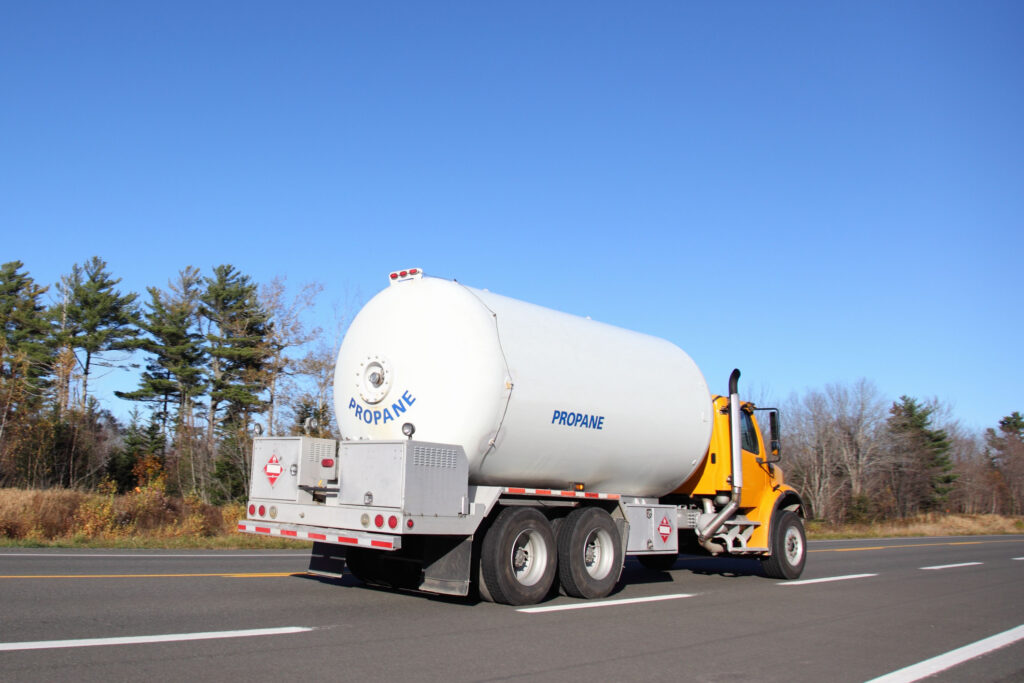
Propane Tanker Truck Driving on Highway

Propane cases are rarely simple

A serious propane case may involve far more than the obvious blast or fire. The legal investigation may focus on whether gas was leaking over time, whether the fuel system was safely installed, whether components were damaged or deteriorated, whether a company failed to inspect or maintain equipment, whether appropriate warnings were given, or whether a property owner or contractor failed to act reasonably.

Depending on the facts, responsibility may involve:

  • the propane supplier or retailer
  • the installer of the propane system
  • a contractor or service provider
  • a landlord or property owner
  • the manufacturer of a tank, regulator, valve, hose, fitting, connector, appliance, or other component
  • a maintenance company
  • another person or business that failed to inspect, repair, warn, or respond appropriately

A home or building explosion may seem like one tragic moment, but legally it may be the result of a longer chain of preventable failures.

How propane explosions happen

Propane explosions happen in many different settings, including homes, cabins, farms, resorts, job sites, commercial buildings, restaurants, industrial properties, and other locations where propane is stored, distributed, or used. Gas may escape through a corroded line, a defective fitting, a bad connection, a damaged appliance connector, a failed regulator, or another compromised system component.

Once propane accumulates inside an enclosed structure, the risk becomes extreme. A pilot light, furnace, water heater, appliance, electrical switch, or other ignition source may trigger a fire or explosion. By the time the event occurs, the dangerous condition may have existed long enough that it should have been discovered or corrected.

Common issues in propane explosion litigation

Propane explosion claims often involve issues such as:

  • leaking gas lines or fittings
  • corroded exterior or underground fuel lines
  • improperly installed tanks, regulators, or connectors
  • unsafe repairs or maintenance failures
  • inadequate warning about propane hazards
  • failure to respond to a leak complaint or service issue
  • defective appliances or propane-system components
  • dangerous gas accumulation inside a home or building
  • catastrophic burns, disfigurement, wrongful death, and long-term trauma

These cases are often heavily fact-specific. A strong review requires attention to the system design, the condition of the equipment, the available service history, the physical evidence from the scene, and the timeline leading up to the explosion. Our legal team has a bench of experts we bring in to provide an independent investigation of every explosion case.

The injuries in propane cases are often devastating

The legal case is only one part of the story. Severe burn survivors often require emergency care, treatment in specialized burn units, skin grafting, wound care, rehabilitation, therapy, scar management, and future surgeries. Some live with permanent physical limitations or visible scarring. Children may require long-term follow-up care as they grow. Adults may lose the ability to return to the same work or daily life they had before the event.

Wrongful death cases carry a different kind of devastation. Families may lose a parent, spouse, child, or grandparent in a fire or explosion that never should have happened. In addition to grief, surviving family members often face financial stress, lost support, medical bills, funeral costs, and unanswered questions about what caused the incident.

Why early investigation matters

In propane explosion cases, important evidence can disappear quickly. Damaged components may be removed. Buildings may be demolished or repaired. Witnesses may become harder to locate. Physical conditions at the scene may change. That is why serious gas-explosion cases should be evaluated promptly.

A careful case review may include examination of:

  • fuel-system components
  • service and delivery records
  • inspection and maintenance history
  • fire-scene photographs and reports
  • witness accounts
  • installation and repair records
  • product information
  • expert review of the system and scene

Our goal is to determine how the explosion happened, whether it could have been prevented, and who should be held accountable.

Featured propane and burn matters

McEwen’s propane and burn case materials include matters involving:

  • a catastrophic home explosion in Richland, Iowa in which multiple people were killed and others were seriously injured
  • a major propane arbitration involving fatal burns and severe injury
  • a resort-cabin propane explosion involving severe burns to a father and daughter
  • a gas-explosion case in which children suffered serious burns
  • large propane tank explosion involving firefighter deaths and multiple injuries

There are many types of propane explosion-related litigation, from residential gas accumulation cases to large-system propane disasters. Our team has investigated and successfully pursued claims across the entire country.

Why people search for a propane explosion lawyer

Families come to a propane explosion page because they are trying to answer a few urgent questions:

  • What caused this explosion?
  • Was this preventable?
  • Who is responsible?
  • What should we do now?
  • How do we protect evidence?
  • How do we account for the full long-term cost of these injuries?

Our legal team understands both the technical side of the case and the human side of burn recovery.

Our explosion and burn legal team is among the most experienced in the nation

On catastrophic burn and explosion matters, Gregory McEwen works jointly with explosion and burn attorney Eric Hageman in trial collaboration. Eric Hageman is the Managing Partner of Pritzker Hageman and leads the Pritzker Hageman burn injury legal team. His recoveries include a $45 million settlement for a person who was severely burned.

If you or someone in your family suffered serious burns, a gas explosion injury, or wrongful death because of a propane leak, tank failure, unsafe fuel system, or other preventable condition, contact our legal team for a free case review. Serious propane cases require prompt investigation and careful review of all potentially responsible parties.